Street Photography, The Fuji X-t3 Vs. X-t4. Which Fujifilm Camera Body Fits Your Style Best.
$1,099 vs $1,699 and you are a street photographer or wanting to try street photography, which do you choose? When I bought my first fuji, the X-t4 wasn't out yet but now that I have one, I still grab the X-t3 over the X-t4 for most of my street photography adventures.
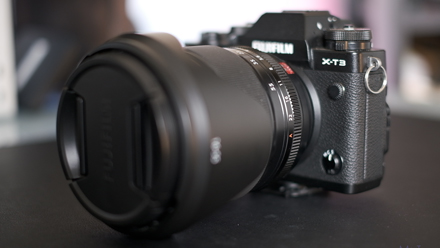
Now, my style may be different from yours so the reasons I reach for the X-t3 over the X-t4 may not apply to you and the X-t4 may be the better option for how you shoot, but let's cover some of the key differences you may want to take into consideration. I hope that this will help you make a better choice for what will work best for you.
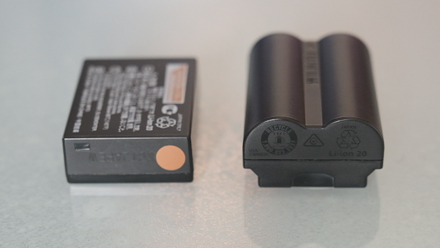
Lets start with the battery in the X-t3, which has been well documented to be frustratingly low capacity or in simple terms, it sucks, and yes if you own an X-t3 you will want to get several extra batteries. I now have two fuji and two aftermarket batteries and that has worked out well. To put it into numbers, the X-t3 is rated at getting around 390 shots, as compared to the X-t4 getting around 500. One thing that I have learned to do with the X-t3, is to shut it off in between shots or filming and that has made a real difference in not being frustrated with a smaller battery and getting more shots per battery.
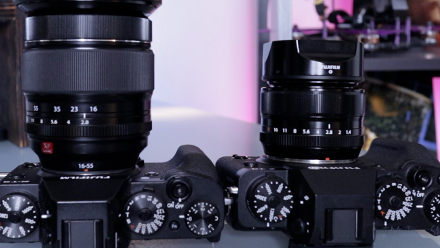
Let's talk ergonomics, and both the X-t3 and X-t4 are very similar in size, but the X-t4 does have a slightly bigger profile and grip which is a good improvement for being able to grip the camera with one hand. I actually hope the grip of the X-t5 expands upon the grip even a bit more to give more to hold on too.
The next two topics are what really stand out as the huge differences between the X-t3 and X-t4. The first is the IBIS that was added to the X-t4, which is 5-axis and Fuji says will give 6.5 stops of stabilization. If you are not familiar with IBIS, it is in body stabilization which works to stabilize your sensor to eliminate vibrations that may cause images to not be sharp. The IBIS is actually why I bought the X-t4, I shoot boudoir with the 56mm f1.2, which does not have stabilization and I wanted to see if the X-t4's IBIS would give me sharper images and it definitely has. I unfortunately do not have the most shake free hands when doing a boudoir shoot and the X-t4 made all the difference in that scenario for me. Now, you can use lenses with the X-t3 that have image stabilization but you are a bit limited on the options. For the lenses I own, the 18-55mm has it and as well the 55-200mm, but the primes unfortunately do not have it, along with the 16-55mm f2.8 that is my go to lens. Even the 50mm 1.0 that recently came out does not have image stabilization.
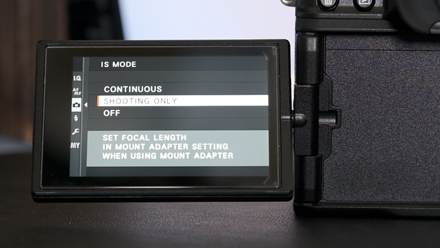
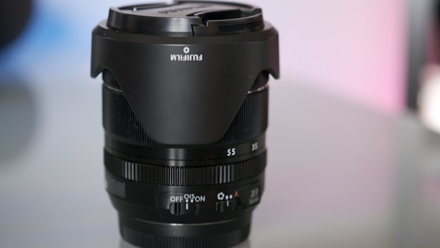
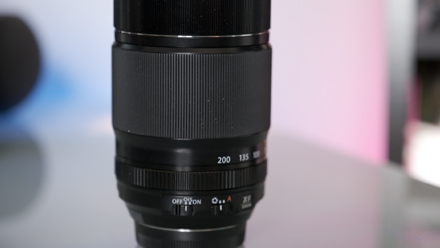
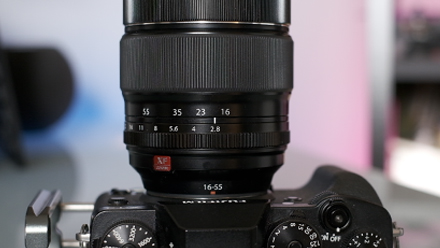
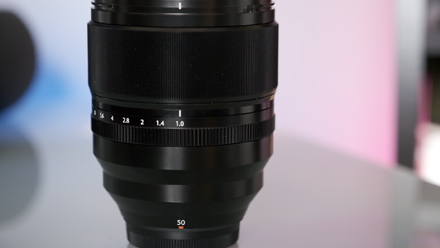
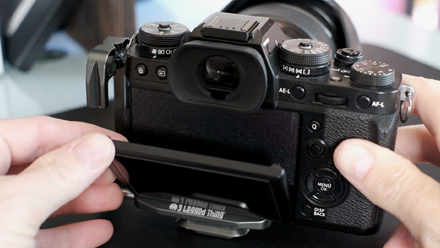
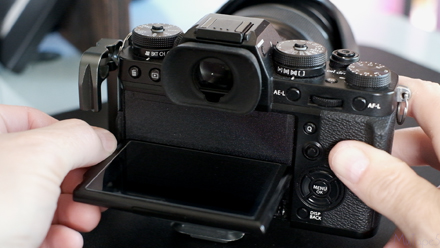
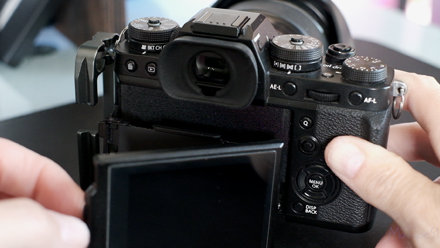
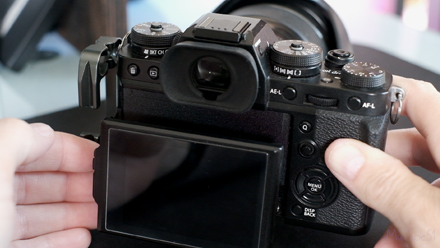
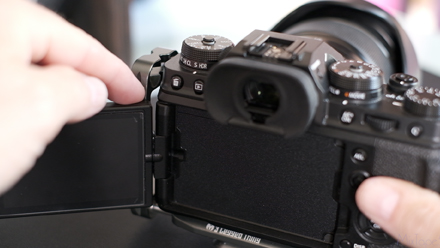
The second big difference, was the articulating screen that is now in the X-t4. When I bought the X-t3, that was one of the features that was not included, that I thought I was going to really miss and I found that it didn't end up being something I missed as much as I thought I would. Now that is not to say I don't really appreciate the flexibility of the X-t4 screen, it is a really nice feature to have to film yourself.
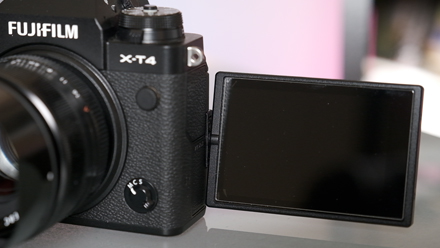
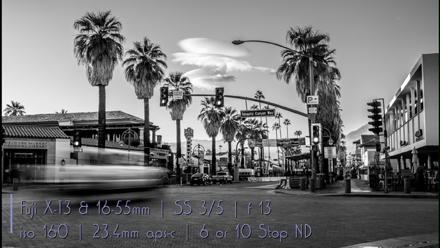
All of that being said, I think these two features are what will make all the difference in which body you choose for street photography. The IBIS in the X-t4, no doubt makes a huge difference. I utilize a tripod for a huge majority of my street photography because I love long exposures, but if you are a run and gun street photographer, then the IBIS may be the feature that makes all the difference for you. For example, when I shoot with the X-t3, I try to keep the shutter speed at a minimum of 125 or even a 200th of a second, due to my not so stable hands. With the X-t4 and it's ibis, I would definitely feel comfortable shooting at a 60th or even lower. Now one way to get around this issue with the X-t3, is to use a lens that has built in stabilization like the 18-55mm and 55-200mm, but in my case I am usually using the 16-55mm, which does not have stabilization. As well the primes do not have stabilization.
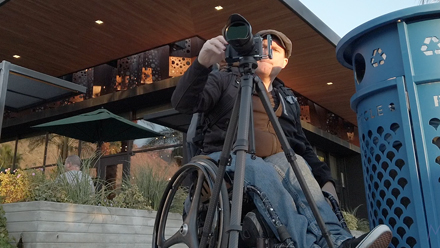
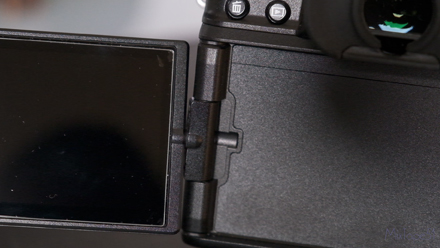
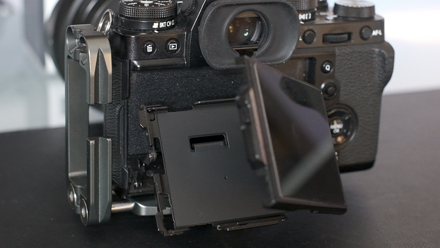
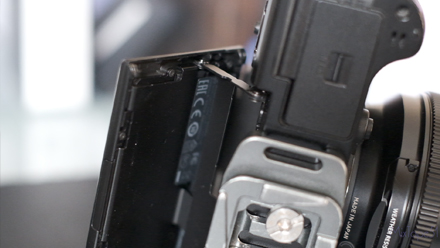
On to the fully articulating screen, and this is what ultimately makes all the difference for me when shooting street photography and I feel lucky now that the X-t4 was not available when I purchased my first fuji camera, because otherwise I would not have realized what a difference the X-t3's screen articulation makes for me shooting street photography. What makes the X-t3 so nice to use, is that you are not extending the screen to the side of the body to be able to articulate it. I use an L-bracket most of the time with my X-t3 and the screen is never blocked but that is not the case with the X-t4. With the X-t4, it is actually blocked a lot if you are using an L-bracket.
It may be a smaller point to mention but the hinge on the X-t4 always makes me a bit concerned that I could easily break it when shooting street, but the X-t3 is built like a tank and not on one point of contact.
To conclude, the X-t4 is a way better fit for me when it comes to shooting boudoir and the X-t3 is a way better fit when it comes to shooting street. My reasons may not be a good fit for you and that is one of those things about photography, is that we all have different styles, but I hope I covered enough details so that you are able to make the best decision for your own style and street photography goals.